
Time Princess: Pearl Girl
IGG.COMRole Playing
4.620.43K Reviews
- Version
- 4.11.1
- Installs
- 10.00M
- Age Rating
- Everyone
Screenshots
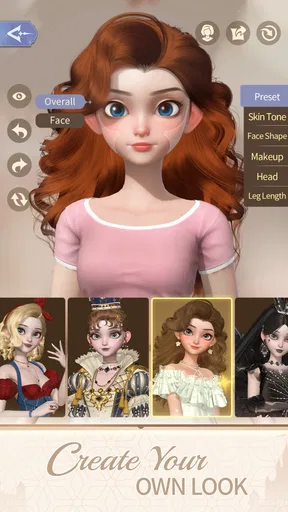
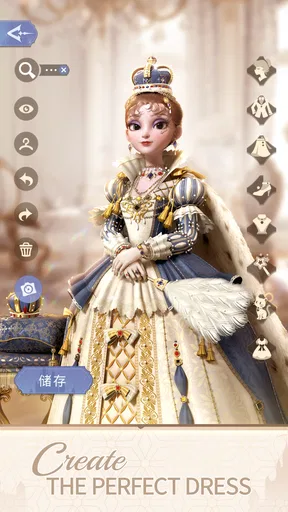
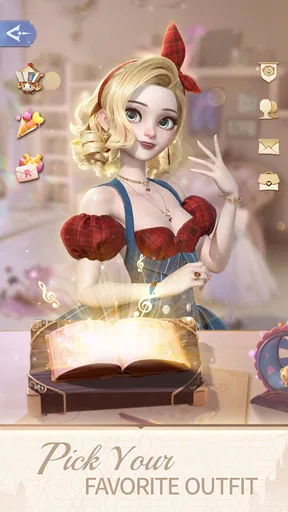
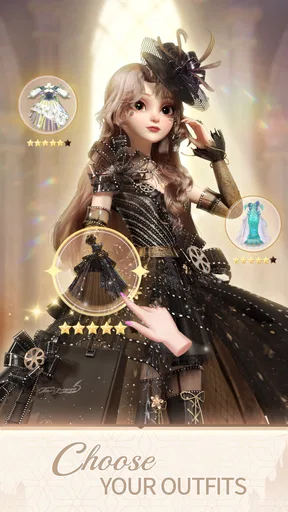
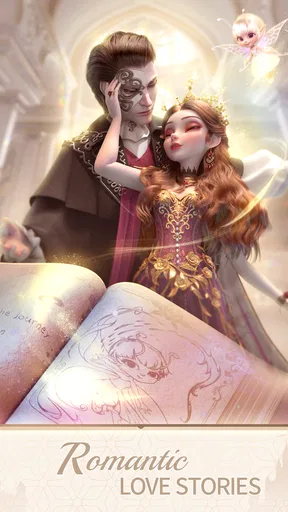
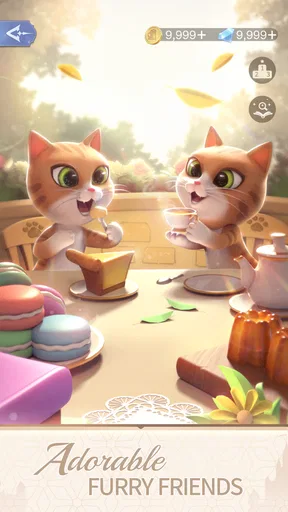
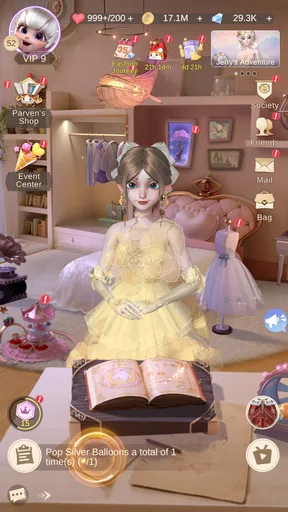
Our Review of Time Princess: Pearl Girl
 Analysis by Appyee
Time Princess: Pearl Girl is the kind of role-playing game I open when I want a story-led experience rather than a fast battle system. Its appeal comes from dressing, choices, characters, and the feeling of stepping into a historical-style tale, with each decision making the next scene feel personal. I found it easier to enjoy when I treated it as a relaxed reading and customization game instead of expecting a traditional action RPG.
Developed by IGG.COM, it is free to start and suitable for Everyone. The game has built a large audience, with a 4.6 average from around 775 thousand ratings and more than 10 million installs. That popularity makes sense: the presentation is inviting, the basic idea is easy to understand, and the stories give the wardrobe system a reason to exist beyond collecting attractive outfits.
My main focus here is how it feels in everyday use: how quickly it gets moving, what happens during heavier sessions, how dependable the experience feels, and whether an older phone can handle it comfortably. I also looked at where its free-to-play design fits and where another type of role-playing game would suit you better.
How the game feels during ordinary play
I find ordinary play works best when I treat each visit as a small, self-contained step: settle into a story scene, make a choice, or prepare for the next chapter instead of trying to clear every menu at once. That rhythm makes the game feel less busy and helps me keep track of why I’m collecting particular pieces. The next thing worth understanding is how to make those sessions feel smooth on your own device.
Quick starts, but not every moment feels equally light
The opening experience is approachable. You can move through story scenes, read dialogue, make choices, and work toward clothing that matches the demands of a chapter. The interface is designed for short sessions, so I could make progress without needing to remember a complicated control scheme. That matters on a phone because the game feels closer to interactive fiction with collection elements than to a demanding console-style RPG.
In normal use, the game feels most comfortable when I follow one story path at a time. Jumping repeatedly between story content, wardrobe screens, rewards, and other menus creates more waiting and more visual activity than simply reading a chapter. My practical advice is to collect the rewards you need, prepare an outfit, and then return to the story rather than constantly switching screens.
The best speed improvement is usually a calmer workflow, not frantic tapping. I let a scene finish loading before opening another menu, and I avoid starting a long play session immediately after launching several other demanding apps. That approach makes the experience feel more consistent, especially on a phone with limited memory.
The game’s visual style also affects perceived speed. Character art, clothing details, transitions, and illustrated scenes make the world pleasant to look at, but they naturally ask more from the device than a simple text-based role-playing game. The reward is a stronger sense of place; the trade-off is that it is not the sort of game I would choose when I want instant loading and minimal battery use.
Where heavier use becomes noticeable
The busiest moments arrive when I move through several story scenes and then spend time comparing clothing, checking objectives, collecting items, and preparing for another challenge. These actions are individually simple, but together they create a longer, more demanding session than reading a single chapter. If your phone begins to warm up during mobile games, this is the point where you are most likely to notice it.
I also found that wardrobe planning rewards patience. Instead of changing items randomly, I first check what a scene seems to require, then compare the pieces I already have. This reduces unnecessary menu movement and makes the game feel less wasteful with time and resources. It is a small habit, but it helps because the clothing system is central to progress rather than an isolated cosmetic extra.
For a realistic everyday scenario, imagine playing during a commute or while waiting for an appointment. A short dialogue segment works well, and you can make a little progress without committing to a long battle. However, if you begin a story section with several outfit decisions and resource screens, you may prefer to finish it somewhere with stable attention and a reliable connection. The game is relaxing when played deliberately, but less convenient if you keep interrupting it every few seconds.
Longer sessions also expose the free-to-play pressure more clearly. The game is free to download, yet optional purchases range from $0.99 to $299.99 per item. I would not recommend treating every attractive outfit or tempting bundle as necessary. The healthier approach is to decide whether you are playing mainly for the stories, for collecting, or for completing every challenge. Completion-focused players will feel the pressure more strongly than casual readers.
Reliability and recovering after interruptions
For me, reliability in a mobile story game means more than whether the app opens. It includes whether I can return to a chapter after a phone call, whether progress remains understandable, and whether I can regain my place without repeating too much. Time Princess: Pearl Girl works best when I give it a stable moment to load and avoid treating it like a disposable five-minute utility.
Phone interruptions are unavoidable, so I recommend completing a dialogue exchange or menu action before switching away when possible. If you leave during a transition, the return can feel less immediate than leaving from a settled screen. This is not a reason to avoid the game, but it is a useful habit for anyone who plays while multitasking.
My recovery routine is simple: return to the current story, check the objective, review the outfit requirements, and only then spend resources. That prevents a common mistake in choice-driven games—making a hurried decision because you have forgotten what the chapter was asking for. It also makes the game easier to resume after a day away.
Players who expect every session to restore instantly may find the presentation a little more involved than a lightweight puzzle game. The richer art and story structure are part of the attraction, but they also mean that the app should be given a moment rather than repeatedly closed and reopened. I would judge it as more dependable when used in focused sessions than when constantly pushed in and out of the background.
Device limits matter more than the simple age rating
The game supports devices running Android 6.0 or later, which gives it broad technical reach on paper. That does not mean every compatible phone will deliver the same comfort. A modern device with comfortable free storage and memory should be a better match for the illustrated scenes and wardrobe-heavy interface than an older entry-level handset.
If you are using an older phone, I would begin with shorter sessions and watch for heat, stuttering, or unusually quick battery loss. Those signs do not necessarily mean the game is unusable, but they indicate that your device is working harder than ideal. Closing other apps before playing can help keep the session steadier, particularly when you plan to move through several story sections.
Resource demands are also relevant for people who play on limited mobile data. A story game with substantial artwork can be less convenient to manage than a minimalist role-playing title, so I would prepare it when connected to dependable Wi-Fi and avoid assuming that every trip will be equally smooth. I am deliberately not treating a specific loading time or battery percentage as universal, because those results depend heavily on the phone, connection, and background activity.
The current version is 4.11.1, so keeping the installation current is sensible for anyone concerned about stability. Updates can change how an app behaves on different devices, and an older installation may not provide the same experience as the current one. I would also leave enough room for the game and its continuing content rather than installing it on a phone that is already nearly full.
What makes it different from other role-playing games
Compared with action RPGs, this game is far less about reflexes and combat mastery. You are not opening it because you want rapid battles, precise controls, or a competitive arena. Its strongest comparison is with interactive story games and dress-up adventures, where the pleasure comes from reading, choosing, collecting, and seeing how presentation supports the narrative.
Compared with a plain visual novel, it gives clothing and appearance a more active role. The outfit is not merely a picture attached to a character; it becomes part of how I approach a chapter and judge whether I am prepared. That creates a satisfying connection between collection and story, although it can also make progress feel slower for anyone who dislikes sorting through items.
Compared with a conventional offline RPG, it is more accessible in short bursts but less suited to players who want a large world to explore freely. The story structure guides you, which is helpful when I want a clear next step, but restrictive if I prefer open-ended wandering. This distinction is important: the game is not trying to replace a deep combat RPG, and it should not be judged by those expectations.
The collaboration-focused presentation around Time Princess x Mauritshuis, The Hague gives the current store summary a cultural flavor, but the lasting value still depends on whether you enjoy the wider story-and-fashion format. I would not install it solely for one themed presentation. I would install it if that theme adds to an interest you already have in historical atmosphere, character styling, and branching narrative play.
Smart ways to spend time and resources
My first tip is to separate “I like this outfit” from “this outfit helps my current chapter.” Those are different decisions. Admiring a design is a good reason to collect it eventually, but spending immediately can make later progress more awkward if you have not checked what the story requires. I found it more satisfying to keep a small priority list instead of trying to obtain everything at once.
Second, read the scene before making a major choice whenever the game gives you that opportunity. The story context often matters more than an impulsive response, and a rushed tap can send the narrative in a direction you did not intend. If you care about seeing different outcomes, pay attention to your decisions rather than treating dialogue as something to skip on the way to rewards.
Third, use short sessions for planning and longer sessions for storytelling. I can review clothing or objectives while waiting in line, then save the deeper chapter reading for a quieter period. This division reduces the chance of making a resource decision while distracted and makes the narrative easier to follow.
Fourth, do not confuse the game’s attractive presentation with a requirement to buy. The free entry point is enough to discover whether the stories and wardrobe loop suit you. Purchases may appeal to collectors, but a player who wants a relaxed experience should set a personal spending limit before the shop becomes part of the routine.
Finally, if performance becomes uneven, simplify the environment around the game first. Close background apps, avoid playing while the phone is already hot, and give the app time to settle after opening. These steps are more realistic than assuming that one setting or one device will behave exactly like another.
Who should play and who should skip it
I recommend it to players who enjoy character-focused stories, fashion collection, and meaningful choices without demanding action controls. It is especially suitable if you like checking details, revisiting decisions, and building an outfit for a particular narrative situation. The Everyone age rating also makes it approachable for a broad audience, though individual comfort with spending and story themes should always guide the decision.
I would be more cautious recommending it to someone with very limited storage, an aging phone that already struggles with visually rich games, or a strong dislike of in-app purchase systems. The purchase range reaches from $0.99 to $299.99 per item, and even a player who spends nothing may still notice the design encouraging collection. That does not ruin the game, but it is part of the experience and should be accepted before investing time in it.
It is also not my first choice for someone who wants a fast, competitive RPG or a game that can be played entirely through instinct. The thoughtful pace is a strength for readers and a weakness for players seeking constant action. Likewise, if you prefer one fixed storyline with no interest in wardrobe preparation, the central loop may feel like work rather than play.
My performance verdict
After using it as a story-driven mobile RPG, I see Time Princess: Pearl Girl as a polished but fairly involved experience. Its speed feels comfortable during focused play, while heavier menu-and-story sessions are more demanding than the simple premise might suggest. Stability depends on the phone and the way you switch between apps, so I would give it the best chance on a reasonably capable device with room to breathe.
The free price makes trying it easy, and the large audience—more than 10 million installs—shows that its combination of narrative and dress-up has lasting appeal. Still, the optional purchase range means I would approach the collection side with a plan rather than impulse. The game rewards attention, patience, and an interest in presentation more than raw skill.
My recommendation is clear: try it if you want an interactive fashion story, not if you want a traditional combat RPG. I enjoyed the way clothing, choices, and atmosphere support one another, and I found the experience most reliable when I played in calm, uninterrupted sessions. With realistic expectations about device demands, recovery after interruptions, and spending pressure, it becomes an easy game to recommend to the right kind of player.
In the end, Time Princess: Pearl Girl succeeds because it gives its role-playing structure a personal, visual focus. I could read at my own pace, make decisions that felt connected to the characters, and treat outfit planning as part of the story rather than a separate dress-up screen. It is not the lightest mobile game, nor the most action-packed, but for a reader who wants a stylish narrative escape on Android or iOS, it has a convincing place in the category.
Verdict
Strengths of Time Princess: Pearl Girl
- Beautiful historical outfits and detailed visual design.
- Story choices create meaningful differences between chapters.
- Regular events provide extra rewards and limited-time content.
- Multiple character routes encourage replaying completed stories.
- Relaxing dress-up gameplay is easy to learn and enjoy.
Limitations of Time Princess: Pearl Girl
- Energy limits can slow progress during longer play sessions.
- Premium outfits and resources may require frequent spending.
- Some event rewards are difficult to obtain without saving heavily.
- The large amount of dialogue may not appeal to every player.
- Updates and downloads can consume considerable storage space.
Other Releases by IGG.COM
View All
Lords Mobile: Kingdom Wars
Strategy4.5

Castle Clash: World Ruler
Strategy4.4

Doomsday × FAIRY TAIL
Strategy4.5

Deck Heroes: Legacy
Card3.1
Similar Picks in This Category
View All
Hair Dye
CrazyLabs LTD4.4

Monster High™ Beauty Salon
CrazyLabs LTD4.5

Bus Simulator - Bus Games 3D
Jima Apps4.4

Flight Pilot: 3D Simulator
Wildlife Studios4.1


Super Stylist Fashion Makeover
CrazyLabs LTD4.4
Frequently Asked Questions
What is Time Princess: Pearl Girl about?
Time Princess: Pearl Girl is a story-driven dress-up adventure that combines interactive fiction, character customization, and historical fantasy. You follow a young heroine through a pearl-themed narrative filled with romance, political tension, mysteries, and important choices. Along the way, you collect outfits, accessories, and story items while making decisions that can influence conversations, relationships, and certain story outcomes.
Is Time Princess: Pearl Girl free to download and play?
Yes, Time Princess: Pearl Girl can generally be downloaded and played for free on supported Android and iOS devices. However, it uses optional in-app purchases for premium currency, clothing resources, energy, and other progression-related items. You can experience a substantial amount of the story without paying, although advancing quickly, collecting rare outfits, or completing limited-time events may require patience or spending.
Does the game require an internet connection?
An internet connection is normally required for Time Princess: Pearl Girl because the game connects to online servers, downloads story and visual assets, synchronizes progress, and supports events and account features. Some previously loaded content may appear accessible temporarily, but offline play should not be considered reliable. A stable Wi-Fi or mobile-data connection is recommended, especially when installing updates or large content packages.
How do choices and outfits affect gameplay?
Choices in Time Princess: Pearl Girl can change dialogue, relationship development, and the route or ending associated with certain story chapters. Outfits are not only cosmetic: each piece has tags and attributes that help you achieve higher scores in stage challenges. Building complete themed sets, upgrading clothing, and selecting items that match the required criteria can make difficult levels easier and unlock additional rewards.
Is Time Princess: Pearl Girl suitable for all ages?
The game is primarily aimed at players who enjoy narrative adventures, fashion collection, romance, and light role-playing systems. Its content is generally presented in a stylized, non-graphic way, but themes may include emotional conflict, romance, social pressure, and historical or fictional drama. Because it includes in-app purchases, advertisements or promotional offers, and online interaction features, parents should review the store rating and use device purchase controls for younger players.
Play our best games!


